
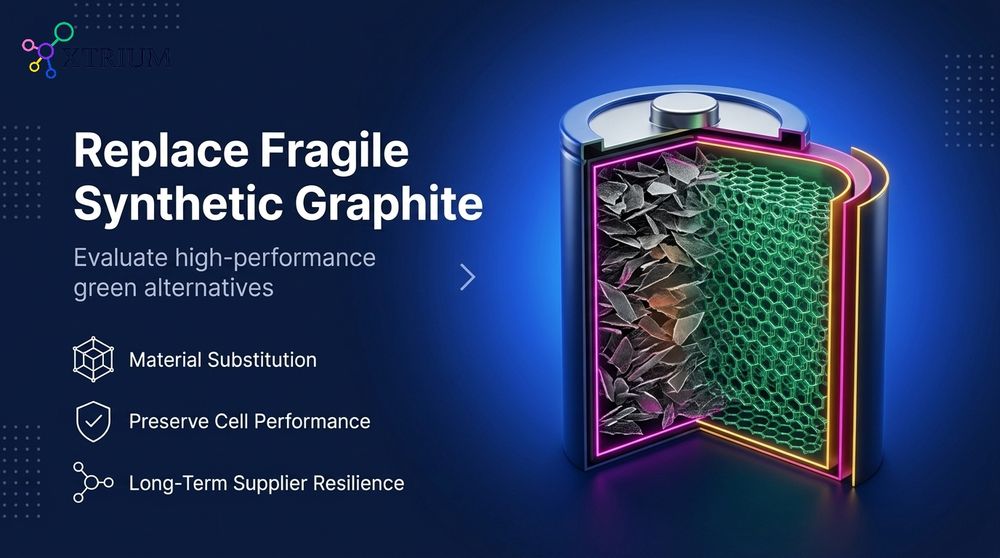
Manufacturing high-capacity energy storage systems requires navigating upstream vulnerabilities that threaten your production continuity and gross margins. When you evaluate…
Featured
-
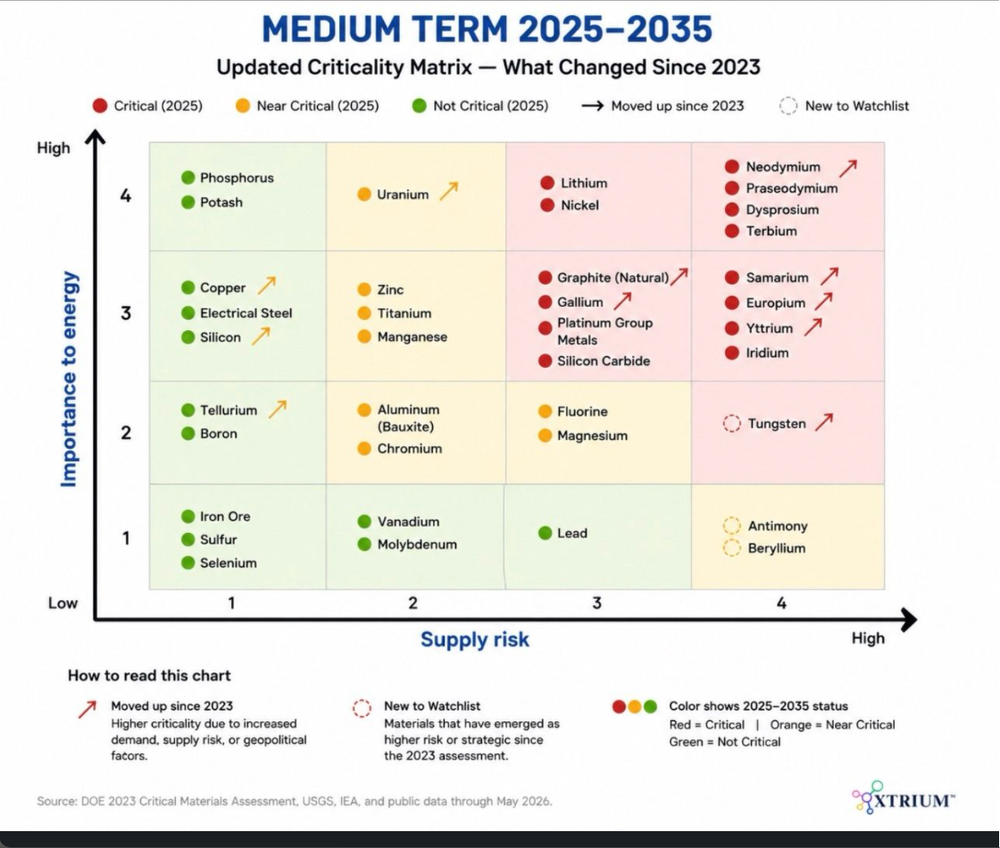
Critical Materials Risk Has Changed Since 2023
In 2023, the U.S. Department of Energy mapped critical-materials risk for the 2025 to 2035 period. It remains a useful starting point. But the conditions behind that map have changed. Export controls have expanded. Demand from AI infrastructure, defense production, electrification, and data centers is increasing. Processing and refining remain concentrated in a small number of countries and facilities. For many manufacturers, material risk is now moving faster than annual sourcing plans. …
-
Categories: supply chain resilience , Advanced Manufacturing , Critical Minerals , Material Substitution
Scandium Is Becoming a Supply-Chain Problem
Scandium is rarely part of mainstream critical-minerals discussions. That may be changing. In a CNN interview, mining entrepreneur Robert Friedland described…
-
Categories: Advanced Manufacturing , Critical Minerals , Export Controls , Supply Chain Risk
Critical Materials Risk Has Changed Since 2023
In 2023, the U.S. Department of Energy mapped critical-materials risk for the 2025 to 2035 period. It remains a useful…
