

When your bills of materials rely heavily on sintered neodymium-iron-boron magnets, your production schedules remain vulnerable to volatile extraction hubs…
Featured
-
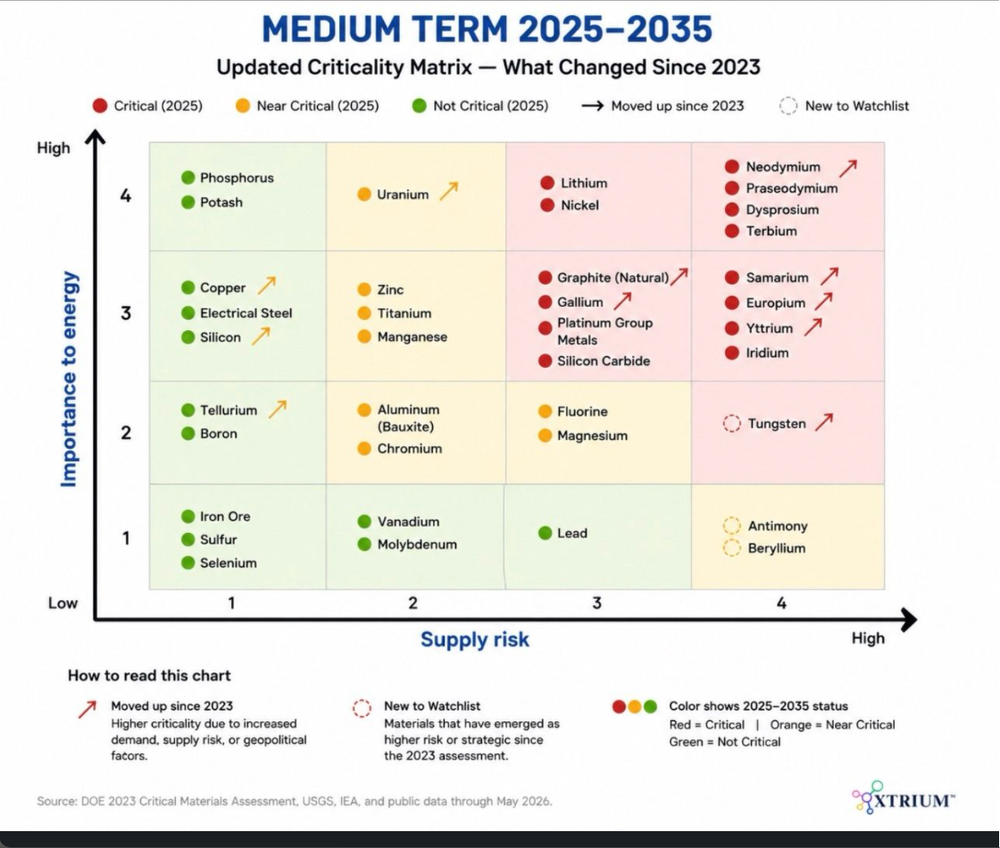
Critical Materials Risk Has Changed Since 2023
In 2023, the U.S. Department of Energy mapped critical-materials risk for the 2025 to 2035 period. It remains a useful starting point. But the conditions behind that map have changed. Export controls have expanded. Demand from AI infrastructure, defense production, electrification, and data centers is increasing. Processing and refining remain concentrated in a small number of countries and facilities. For many manufacturers, material risk is now moving faster than annual sourcing plans. …
-
Categories: Critical Minerals , Rare Earths , Supplier Mapping
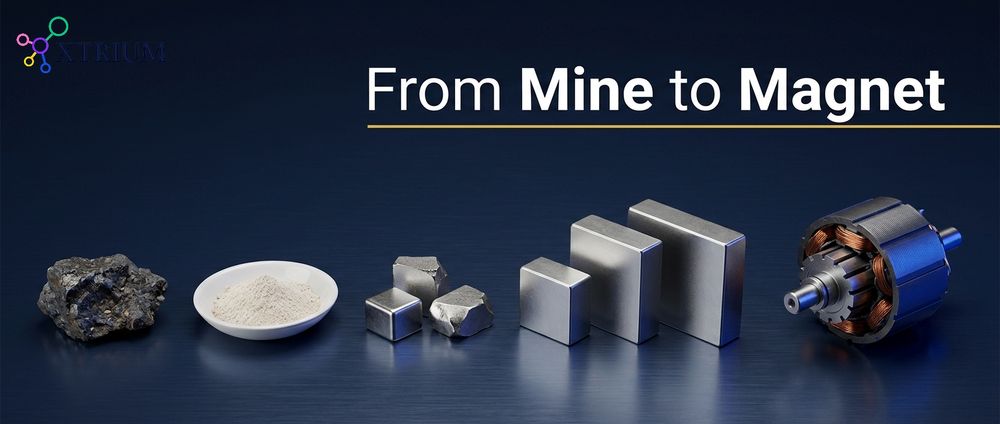
From Mine to Magnet: Know the Supply Chain Behind Your Rare Earths
A new rare earth mine does not automatically create a new source of magnets. Between extraction and a finished component, material…
-

Categories: supply chain resilience , Critical Minerals , Export Controls , Rare Earths
Resource Nationalism Cuts Both Ways
Export restrictions are meant to create leverage. They can also create incentives for customers to leave. China’s recent controls on critical…
