
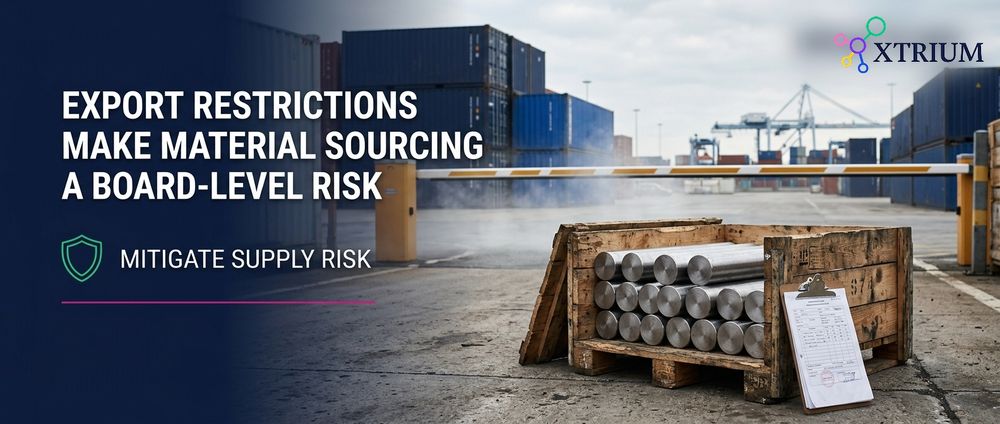
An export restriction does not have to stop a mine or refinery to interrupt production elsewhere. Material can remain available…
Featured
-
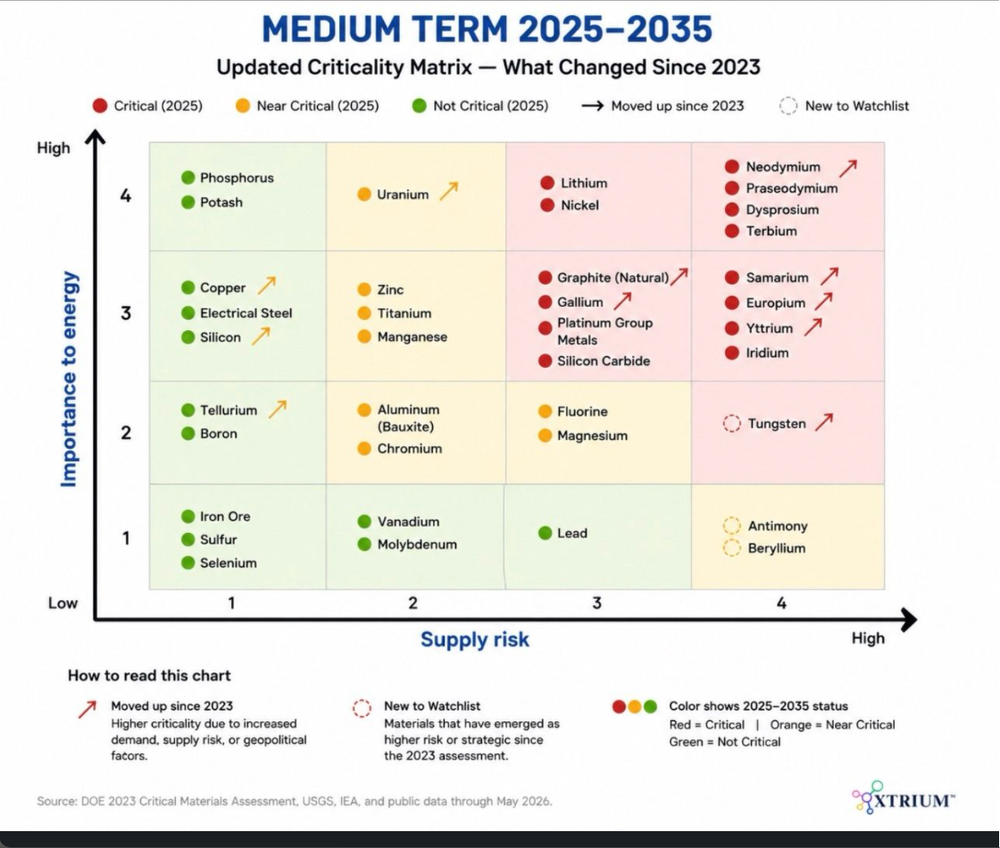
Critical Materials Risk Has Changed Since 2023
In 2023, the U.S. Department of Energy mapped critical-materials risk for the 2025 to 2035 period. It remains a useful starting point. But the conditions behind that map have changed. Export controls have expanded. Demand from AI infrastructure, defense production, electrification, and data centers is increasing. Processing and refining remain concentrated in a small number of countries and facilities. For many manufacturers, material risk is now moving faster than annual sourcing plans. …
-
Categories: Critical Minerals , Export Controls , Supply Chain Risk
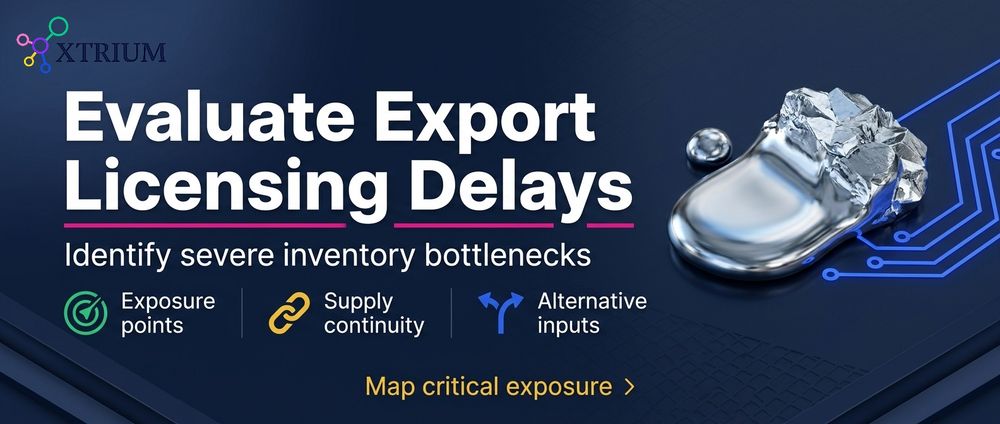
Evaluate Export Licensing Delays for Gallium in Production Lines
When your production schedule relies on precise wafer deliveries or advanced compound substrates, a single administrative delay at a foreign…
-

Categories: supply chain resilience , Critical Minerals , Export Controls , Rare Earths
Resource Nationalism Cuts Both Ways
Export restrictions are meant to create leverage. They can also create incentives for customers to leave. China’s recent controls on critical…
-
Categories: Advanced Manufacturing , Critical Minerals , Export Controls , Supply Chain Risk
Critical Materials Risk Has Changed Since 2023
In 2023, the U.S. Department of Energy mapped critical-materials risk for the 2025 to 2035 period. It remains a useful…
