

When you oversee semiconductor manufacturing or high-technology hardware engineering, your production continuity depends on specialized raw inputs that remain hidden…
Featured
-
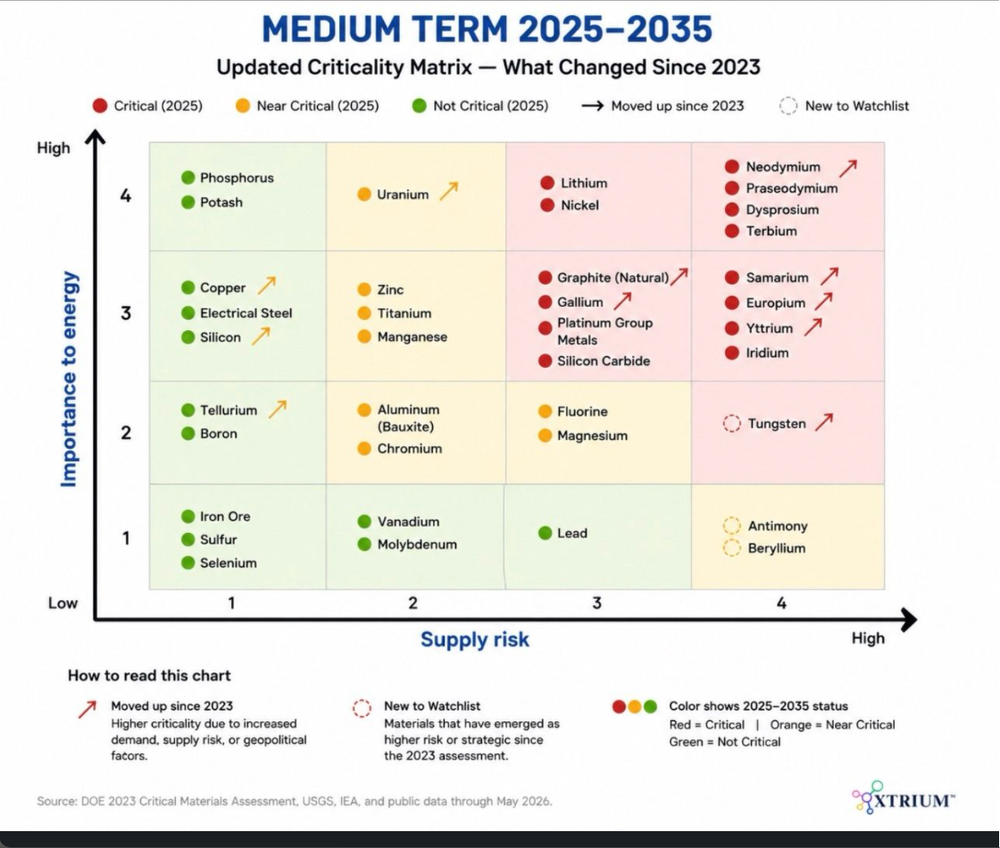
Critical Materials Risk Has Changed Since 2023
In 2023, the U.S. Department of Energy mapped critical-materials risk for the 2025 to 2035 period. It remains a useful starting point. But the conditions behind that map have changed. Export controls have expanded. Demand from AI infrastructure, defense production, electrification, and data centers is increasing. Processing and refining remain concentrated in a small number of countries and facilities. For many manufacturers, material risk is now moving faster than annual sourcing plans. …
-
Categories: Defense Manufacturing , DFARS Compliance , Material Qualification , Supplier Diversification
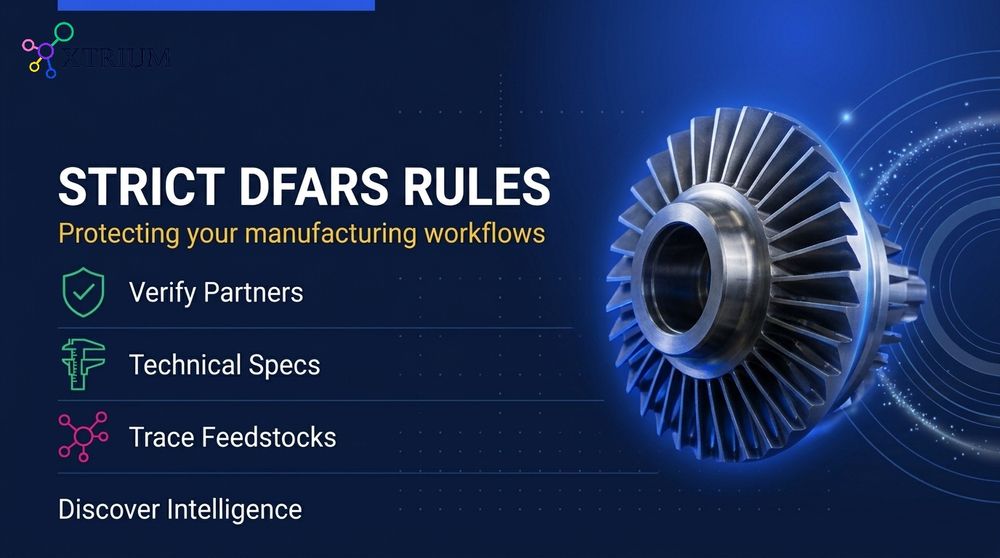
How to Prepare Your Production Lines for Strict DFARS Rules
Manufacturing critical hardware for federal aerospace, defense, and high-reliability systems introduces operational exposures that can disrupt your entire business model.…
-
Categories: Advanced Manufacturing , Material Substitution , Sourcing Strategy
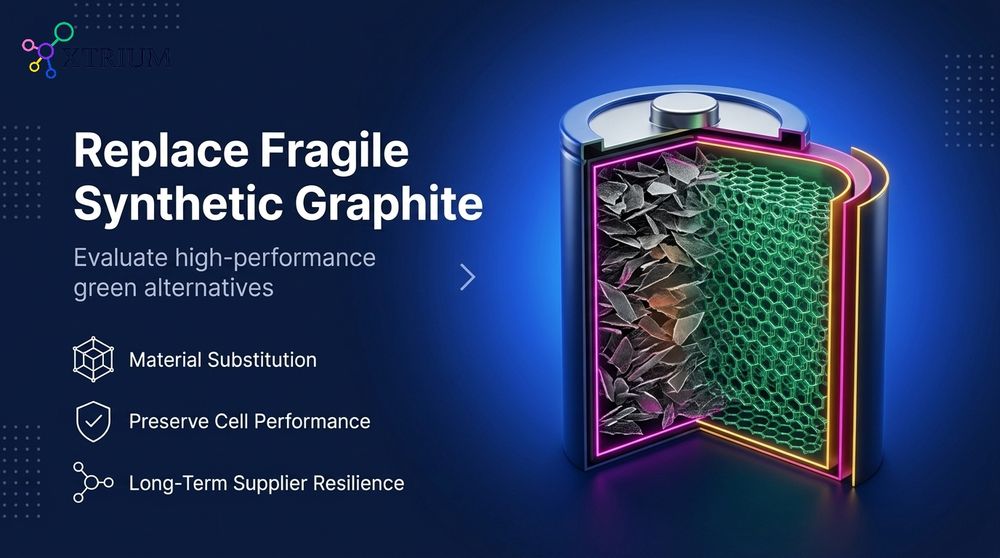
How to Replace Fragile Synthetic Graphite in Battery Production
Manufacturing high-capacity energy storage systems requires navigating upstream vulnerabilities that threaten your production continuity and gross margins. When you evaluate…
-
Categories: Critical Minerals , Supplier Qualification , Supply Chain Risk
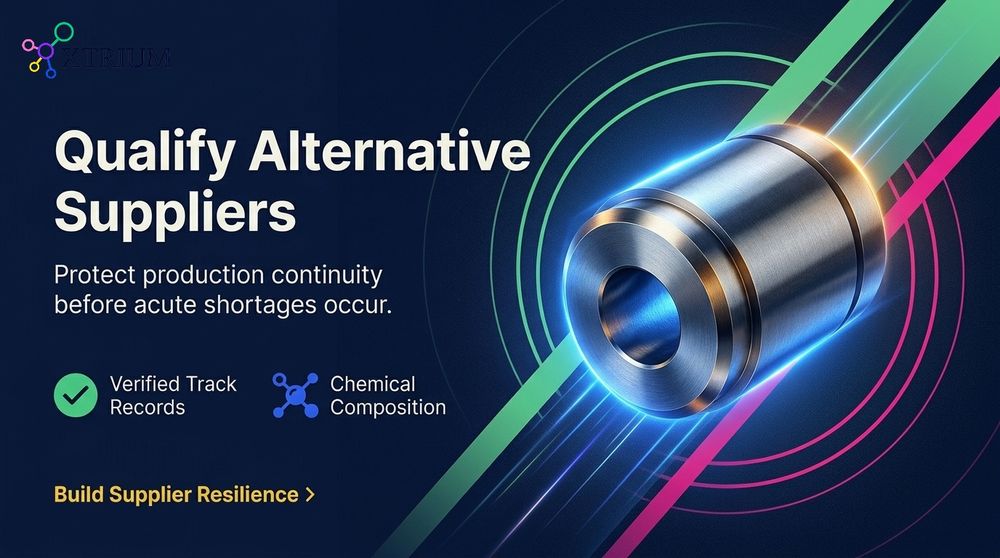
How to Qualify Alternative Suppliers for Tight Tungsten Markets
When your production schedules depend on tungsten, market constriction quickly moves from a standard procurement concern to a significant threat…
-

Categories: Critical Minerals , Rare Earths , Supply Chain Risk
Why Permanent Magnet Chokepoints Threaten Your Margins
When your bills of materials rely heavily on sintered neodymium-iron-boron magnets, your production schedules remain vulnerable to volatile extraction hubs…
-
Categories: supply chain resilience , Critical Minerals , Supplier Mapping
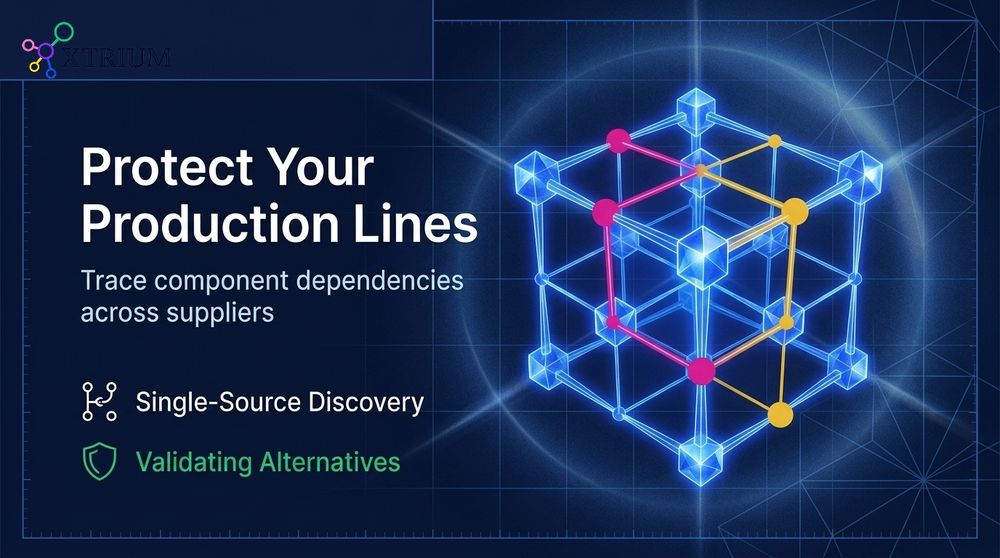
How to Protect Your Production Lines From Upstream Mineral Halts
When an unexpected trade restriction or foreign export curb suspends the delivery of critical mineral feedstocks, your manufacturing operations face…
-

Categories: Critical Minerals , Rare Earths , Supplier Mapping
From Mine to Magnet: Know the Supply Chain Behind Your Rare Earths
A new rare earth mine does not automatically create a new source of magnets. Between extraction and a finished component, material…
-
Categories: Export Controls , Sourcing Strategy , Supply Chain Risk
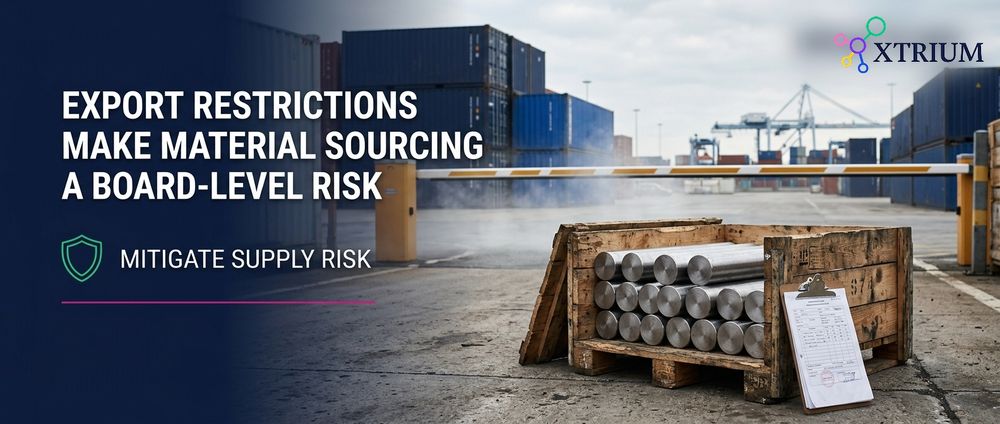
Export Restrictions Make Material Sourcing a Board-Level Risk
An export restriction does not have to stop a mine or refinery to interrupt production elsewhere. Material can remain available…
-
Categories: Critical Minerals , Sourcing Strategy , Supplier Qualification
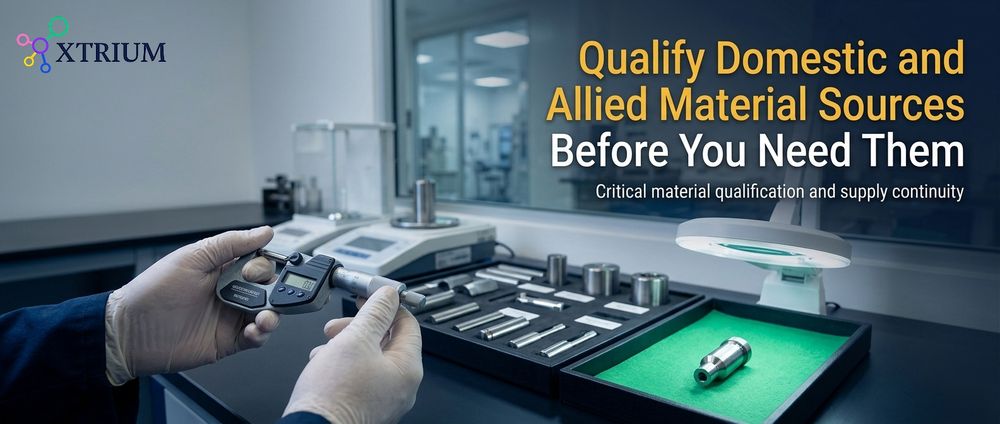
Qualify Domestic and Allied Material Sources Before You Need Them
Finding another supplier is not the same as having a usable alternative. A producer may offer the right material but not…
-
Categories: Critical Minerals , Supplier Mapping , Supply Chain Risk
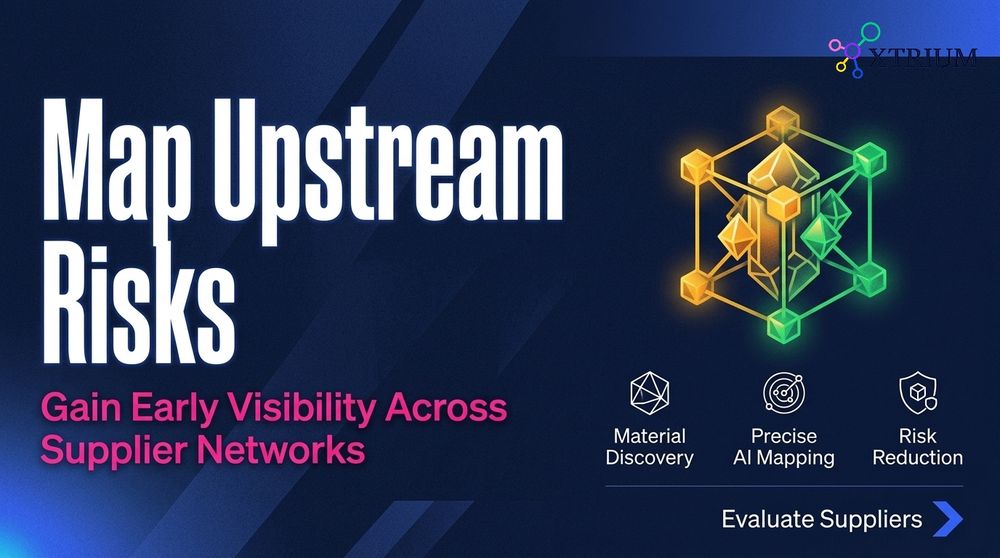
Antimony Shortages: How to Map Upstream Risks Before Halts Hit
When international export controls tighten and upstream refining facilities face regulatory caps, your manufacturing lines can stall without warning. Antimony…
-
Categories: Critical Minerals , Sourcing Strategy , Supplier Mapping
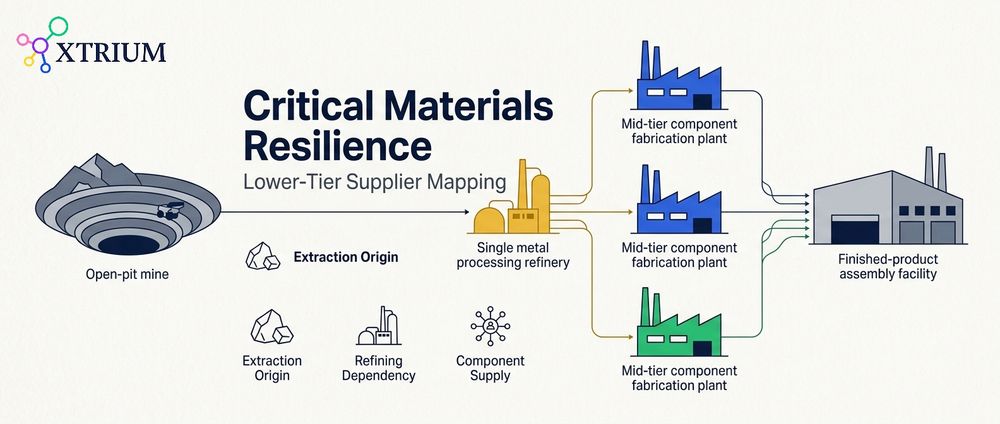
Why Critical Materials Resilience Depends on Lower-Tier Supplier Mapping
Two approved suppliers can look like a reliable backup plan until both depend on the same refiner. That shared dependency may…
-
Categories: Critical Minerals , Sourcing Strategy , Supplier Mapping , Supply Chain Risk
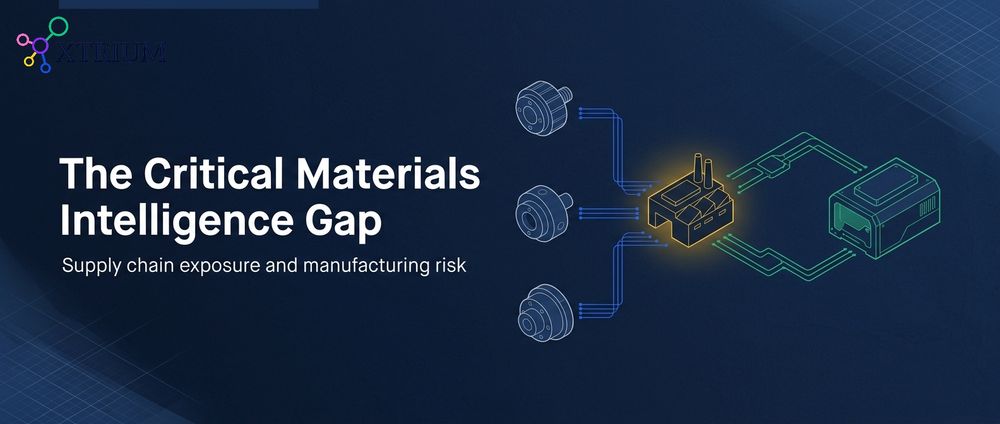
The Critical Materials Intelligence Gap Is a Manufacturing Risk
A manufacturer can have several approved suppliers and still depend on a single upstream processor. Procurement records may show a…
-
Categories: Critical Minerals , Supplier Mapping , Supply Chain Risk
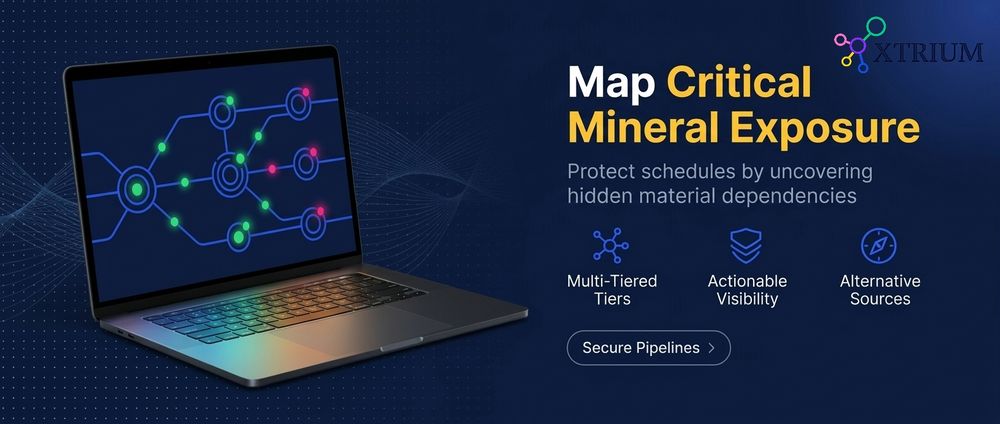
How to Map Critical Mineral Exposure Across Complex Supply Networks
When your production schedule grinds to an unexpected halt, the root cause rarely sits on your assembly floor. Instead, it…
-
Categories: supply chain resilience , Critical Minerals , Material Substitution
Critical Minerals: The Question We’re Not Asking Enough
When companies assess critical mineral risk, they usually ask who mines a material, who processes it, who buys it, who…
-
Categories: Critical Minerals , Export Controls , Supply Chain Risk
Evaluate Export Licensing Delays for Gallium in Production Lines
When your production schedule relies on precise wafer deliveries or advanced compound substrates, a single administrative delay at a foreign…
-

Categories: material discovery , Sourcing Strategy , Supply Chain Risk
How Material Discovery AI Reduces Your Hidden Sourcing Risks
Your manufacturing operations depend entirely on a complex web of critical materials. When supply chains operate smoothly, these dependencies remain…
-

Categories: supply chain resilience , Advanced Manufacturing , Critical Minerals , Material Substitution
Scandium Is Becoming a Supply-Chain Problem
Scandium is rarely part of mainstream critical-minerals discussions. That may be changing. In a CNN interview, mining entrepreneur Robert Friedland described…
-

Categories: supply chain resilience , Critical Minerals , Export Controls , Rare Earths
Resource Nationalism Cuts Both Ways
Export restrictions are meant to create leverage. They can also create incentives for customers to leave. China’s recent controls on critical…
-
Categories: Advanced Manufacturing , Critical Minerals , Export Controls , Supply Chain Risk
Critical Materials Risk Has Changed Since 2023
In 2023, the U.S. Department of Energy mapped critical-materials risk for the 2025 to 2035 period. It remains a useful…
-

Categories: supply chain resilience , Compliance , Governance
How Change Management Secures Your Governance Framework Setup
Modern supply chains operate under unprecedented scrutiny and continuous geopolitical pressure. You face mounting expectations to track material origins, monitor…
